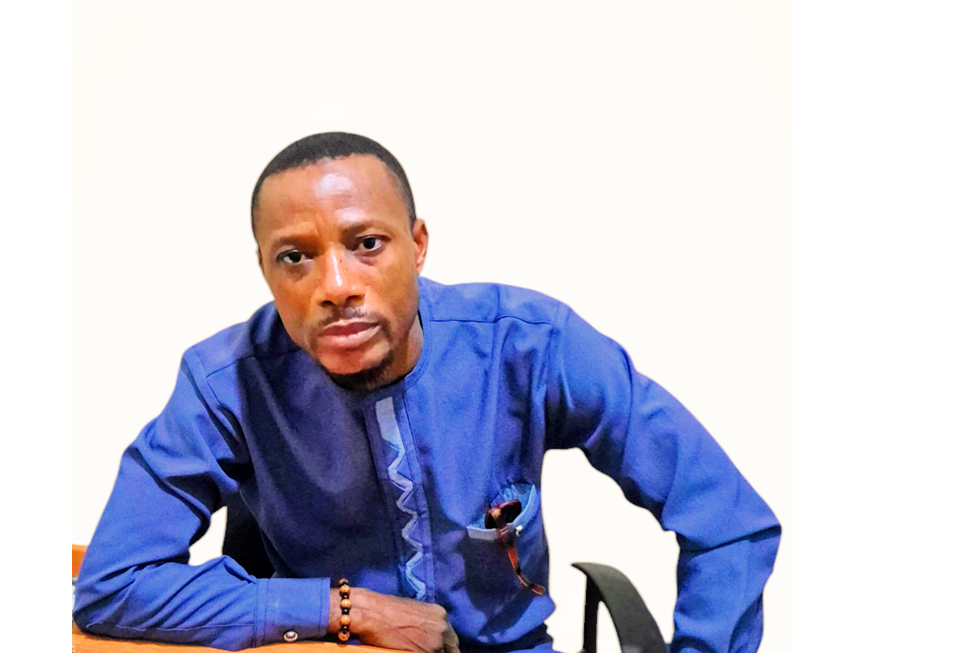

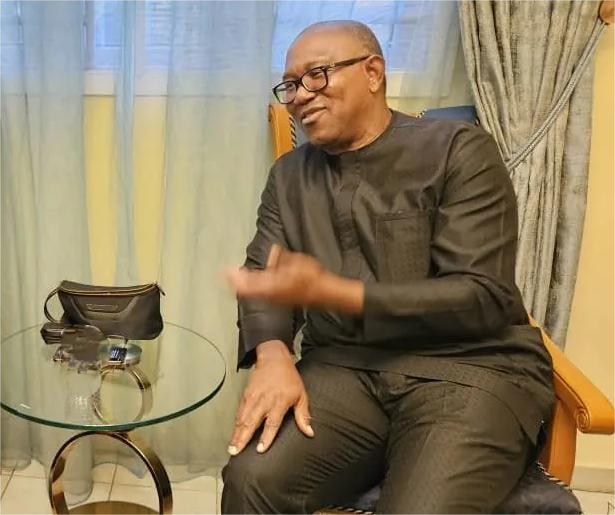
A chat with His Excellency the formal governor of Anambra State and the 2023 presidential candidate under the umbrella of Labour Party. His approach centers on moving the country from a consumption-based economy to a production-based one.
Peter Obi, a former presidential candidate and governor of Anambra State, has consistently advocated for a shift in Nigeria’s economic strategy. His approach centers on moving the country from a consumption-based economy to a production-based one. He believes that the current economic challenges, including widespread poverty and food insecurity, are a direct result of poor leadership and a lack of focus on crucial sectors.
Let’s jump into the conversation;
Peter Obi (PO): Good day! I’m glad you’d like to talk about Nigeria’s economic future. Where shall we start?
TLWM: Mr. Obi, what is your overall approach to getting Nigeria’s economy back on a productive path?
PO: Nigeria must move decisively from a consumption-driven economy to a production-centered one. We have tremendous natural and human resources, but they need strategic harnessing through an agrarian revolution and export-oriented industrialization.
Specifically, we plan to develop agro-clusters and industrial hubs across the country by leveraging agglomeration effects—this includes dredging the Niger and Benue rivers, building dams, and planting economic trees to support local usage, exports, and revenue generation.
TLWM: That sounds promising! But what about agricultural potential and job creation?
PO: Agriculture is Nigeria’s most critical sector for economic development. It can simultaneously tackle national insecurity, food inflation, unemployment, and overdependence on imports if harnessed properly.
Moreover, I’ve consistently emphasized that with over 84 million hectares of arable land—much of it uncultivated—we must treat it as our “new oil and gold.” Infrastructure like energy, transport, irrigation, and telecoms are key to unlocking this potential.
TLWM: Nigeria faces huge debt and corruption. How would you address this?
PO: That’s a major issue. First, we must drastically reduce the cost of governance and corruption, while ensuring borrowing is reserved strictly for regenerative, productive projects—not consumption.
Also, adopting an entrepreneurial governance model will help dismantle inefficiencies, ease doing business, and reduce debt service burdens. MSMEs will receive robust support, and the economy will enjoy targeted incentives for diversification beyond oil.
TLWM: And what role does leadership play in all this?
PO: Leadership is everything. Nigeria needs competence, capacity, credibility, and commitment, not ethnic or religious division. We must cultivate Nigerians who believe in Nigeria.
Institutional reforms are vital: enforce the rule of law, streamline government services, and revolutionize budgeting processes to prioritize public accountability and performance auditing.
TLWM: How would you attract investment?
PO: The environment for investment depends largely on intangible assets—security, rule of law, resource allocation, and institutional credibility. These are what attract capital—both local and foreign—not elaborate international travels.
We can also learn from countries like Indonesia, India, and Vietnam, which have seen exponential growth through deliberate investment in key sectors. Nigeria must adopt similar strategic reforms to become more competitive.
TLWM: Why do you think previous growth faltered?
PO: Leadership failure. Between 1999 and 2014, we had an average GDP growth of 6.72%. But from 2015 onward, growth plummeted and even dipped into recession. Our GDP dropped from $568 billion in 2014 to around $200 billion recently, with per-capita income falling drastically too. Meanwhile, poverty, unemployment, inflation, and low investor confidence skyrocketed.
TLWM: Finally, how do you rally Nigerians behind this vision?
PO: Young people, especially, want change—they’ve grown tired of traditional politics. They resonate with a message grounded in integrity, transparency, and productivity, not entitlement or identity politics.
I believe in restoring hope and creating Nigerians who are proud to contribute to their country.
Obi’s economic vision is built on several key pillars:
- Poverty Eradication and Human Capital Development: Obi has stressed the need for holistic poverty eradication through a focus on an agricultural revolution, particularly in Northern Nigeria. He also advocates for robust investments in education, health, and infrastructure, with a strong emphasis on STEM (Science, Technology, Engineering, and Mathematics) education.
- Infrastructure and Energy: He proposes building expansive, world-class infrastructure for power supply, transportation, and pipeline networks, using integrated public-private partnerships. A key element of his plan is a “solar power revolution” to transition Nigeria away from its dependency on fossil fuels.
- Fiscal Responsibility and Anti-Corruption: Obi has been a vocal critic of Nigeria’s rising debt profile and high cost of governance. He has often linked the nation’s economic woes to corruption and what he calls “wasteful spending.” His proposals include implementing radical economic policies to reduce the debt-servicing ratio and a commitment to transparent and prudent management of resources.
- Support for Small Businesses: Obi believes that Micro, Small, and Medium Enterprises (MSMEs) are the backbone of any economy. He plans to provide robust support to this sector through new structures, capital access, and legislation to foster business growth.
Obi often cites other nations, like Argentina, as examples of how a country can turn its economy around in a relatively short period with disciplined leadership and sound economic policies. He argues that even though a nation’s transformation may take time, a committed and focused leadership can kick-start the process and deliver tangible results within two years.