
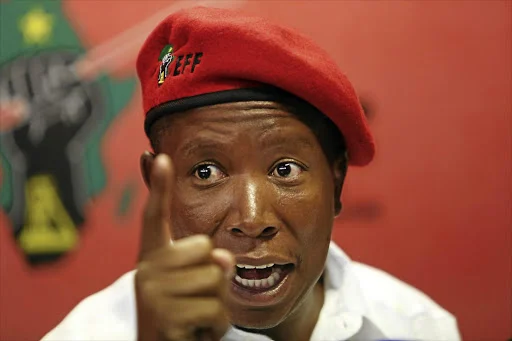
During a recent visit to Nigeria, South African opposition leader and President of the Economic Freedom Fighters (EFF), Julius Malema, delivered a powerful message condemning xenophobia and calling for deeper economic collaboration between Nigeria and South Africa.
- See Also Former Big Brother Naija housemate, Mercy Eke demands ₦100m to attend “BBN All-Stars Reunion”
- Eberechi Eze on making his dream come true
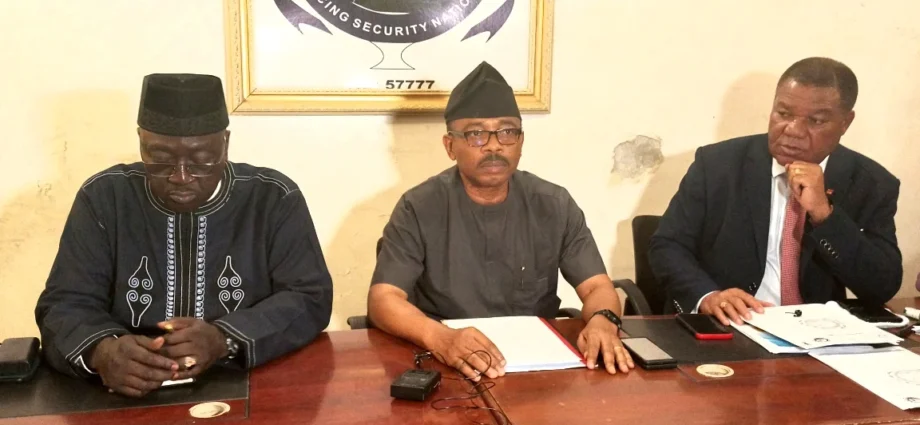
Speaking at the 2025 Annual General Conference of the Nigerian Bar Association (NBA) in Enugu, Malema described xenophobic attacks as “a betrayal of African unity” and a “sickness born of poverty, inequality, and government failure.” He explicitly stated that Nigerians and other Africans living in South Africa are not to blame for the country’s unemployment and economic challenges. He urged Africans to “love themselves, not kill one another,” emphasizing that the continent must stand together to solve its own problems.
Malema used his platform to advocate for a radical shift in the economic relationship between Nigeria and South Africa. He argued that the future of the continent is dependent on the unity and industrialization of its two largest economies. He outlined a vision where:
- Joint Industrialization: Nigeria and South Africa would industrialize together, build factories, and process their abundant natural resources on African soil instead of exporting them as raw materials.
- Complementary Strengths: He proposed a partnership where South African mining expertise could be combined with Nigeria’s oil and gas wealth to create African-owned conglomerates. He also suggested that Nigeria could “feed the continent” while South African technology drives logistics and machinery.
- One Africa: Malema reiterated his party’s vision for a borderless Africa with a single currency, one parliament, and one military command. He called for visa-free travel between the two nations and the harmonization of trade policies to create a single, integrated African market.
Malema’s speech was widely received and has since been viewed as a significant step toward fostering a more collaborative and unified relationship between two of Africa’s most influential nations. He praised Nigeria’s historic role in supporting South Africa’s anti-apartheid struggle and called on both countries to build on that legacy through concrete economic action.