
By Samuel Okechukwu
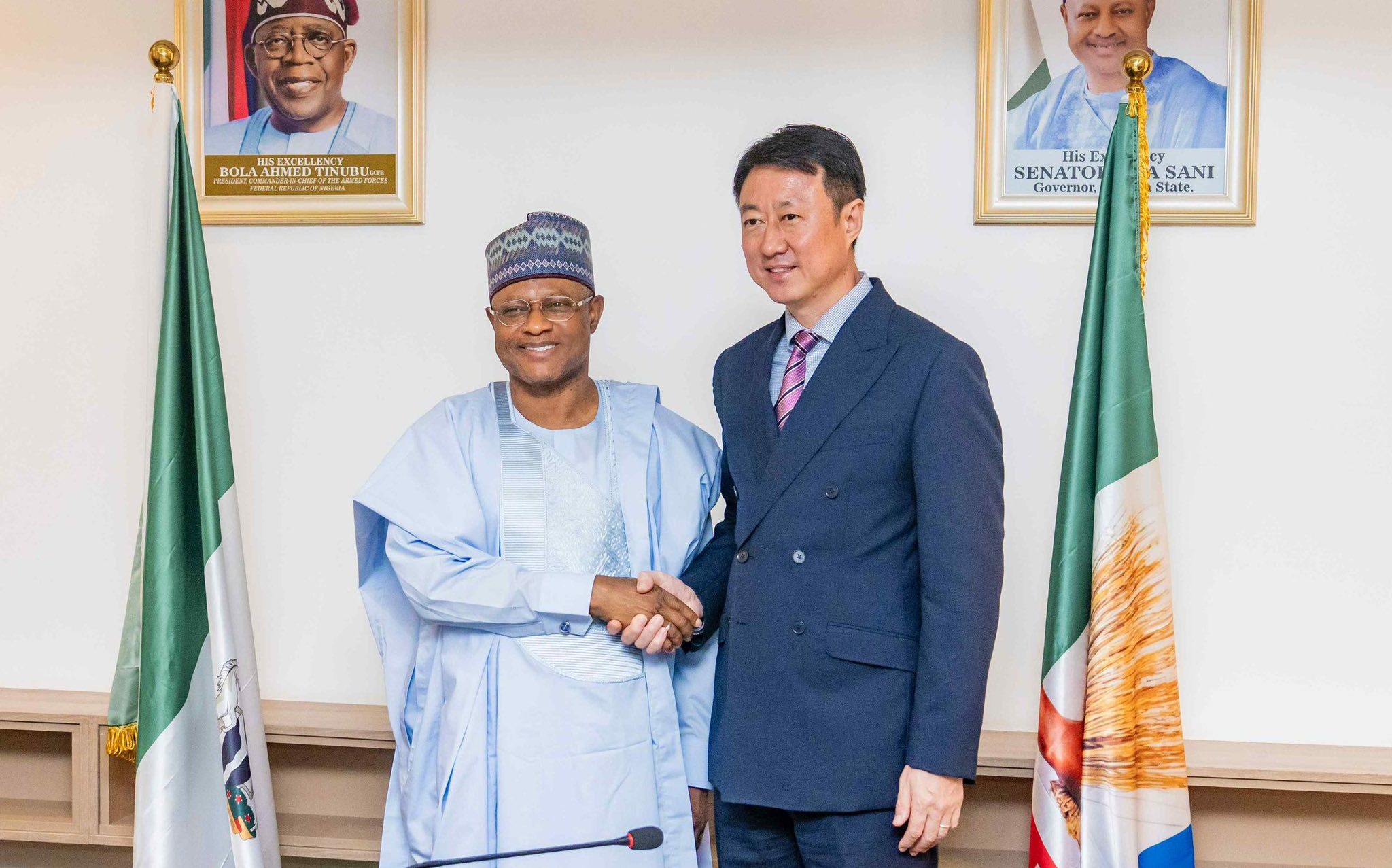
Kaduna, Nigeria—In a major boost to Nigeria’s agricultural sector and food security drive, Kaduna State has finalized a landmark $450 million poultry project in partnership with Chinese investors. The ambitious initiative is projected to create over 350,000 direct and indirect jobs, positioning the state as a dominant hub for poultry production in West Africa.
The agreement, a culmination of sustained economic diplomacy by the Kaduna State Government, focuses on developing an integrated, industrial-scale poultry value chain. This ecosystem will cover everything from primary production—including large-scale hatcheries and feed mills—to processing and distribution, adhering to international standards of quality and efficiency.
Economic and Employment Transformation
The 350,000 job creation target is arguably the most transformative aspect of this venture. Given the existing high rate of unemployment, particularly among youth, this project is expected to absorb a massive labor force. The jobs will span various competencies, including:
Direct Employment: Farm management, veterinary services, hatchery operations, processing plant workers, and logistics.
Indirect Employment: Support services such as grain production (for feed), transportation, packaging, retail, and equipment maintenance.
State officials noted that the investment is designed to generate self-sustaining wealth and foster local expertise through comprehensive training and technology transfer from the Chinese partners.
Strategic Chinese Partnership and Technology Transfer
The Chinese consortium involved brings decades of expertise in modern, large-scale poultry farming and processing technology. This partnership is not merely a financial injection; it is a strategic collaboration intended to modernize Kaduna’s agricultural practices.
The investment will facilitate the deployment of automated farming systems and advanced biosecurity measures, drastically improving yield, reducing losses, and ensuring the health of the stock. This transition from traditional, small-scale farming to industrial production is critical for Nigeria to meet its internal protein demands and compete in the regional export market. The project serves as a practical model of how foreign direct investment can drive structural economic change.
Boosting Food Security and Local Value Chains
The immense capacity expected from the new facilities will have a profound impact on national food security. Increased local production of high-quality poultry and eggs will help stabilize market prices, reduce reliance on expensive imports, and provide a reliable, affordable source of protein for Nigerian consumers.
Furthermore, the scale of operations demands a robust local supply chain, which will significantly benefit local farmers and agricultural businesses. The demand for maize, soy, and other inputs for the project’s dedicated feed mills will revitalize crop farming across the state and surrounding regions, creating backward linkages that multiply the economic impact well beyond the poultry farms themselves.
The Kaduna State Government views this project as a flagship effort to diversify the state’s economy away from dependence on oil revenue and solidify its position as a major agricultural producer in Nigeria.