

By Chidimma Okwara
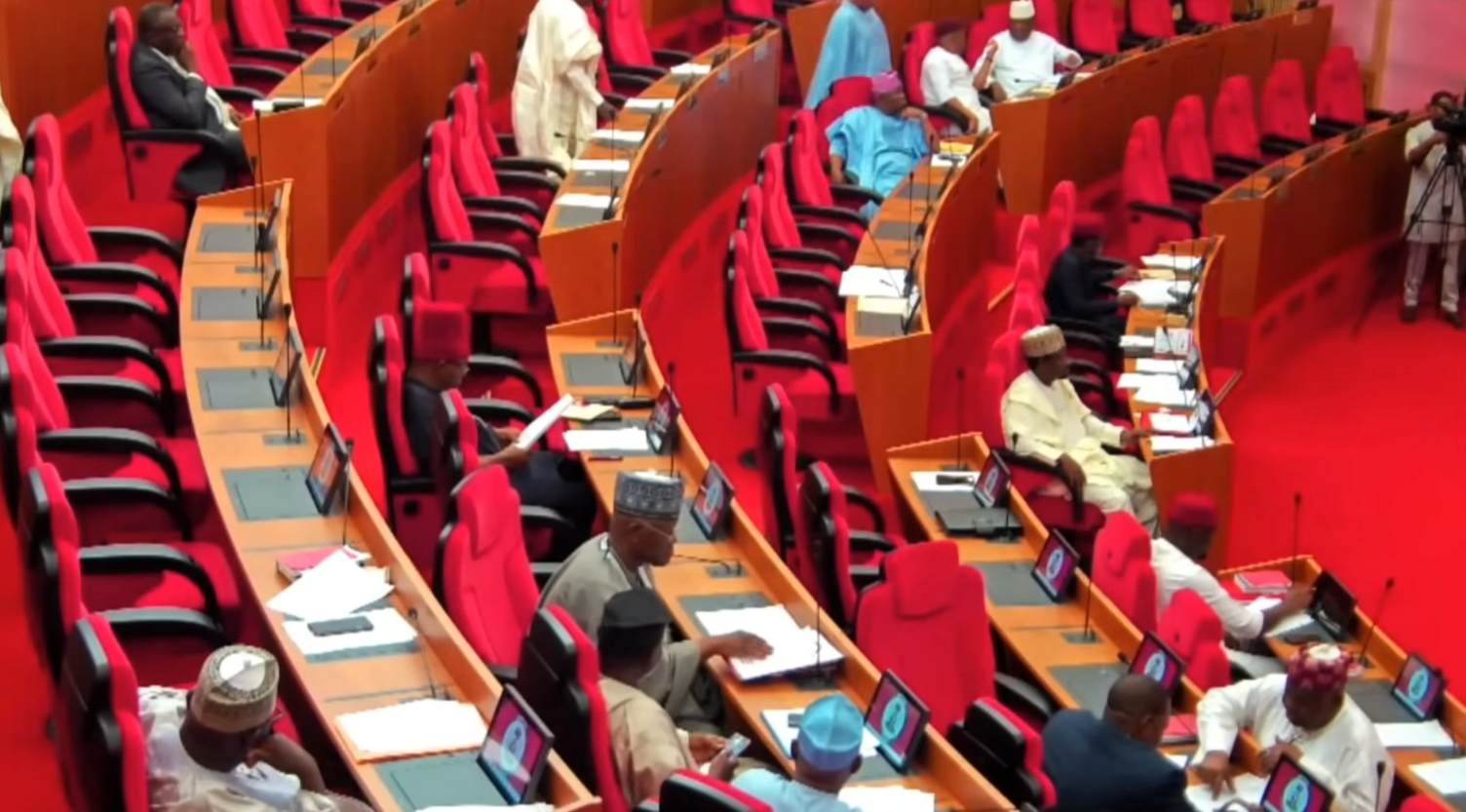
Abuja, Nigeria—In a decisive legislative move aimed at tackling the pervasive issue of sexual harassment within Nigeria’s university and college systems, the Nigerian Senate has approved a landmark bill prescribing a maximum jail term of 14 years for perpetrators.
The bill, officially titled the “Sexual Harassment in Tertiary Educational Institutions Bill,” seeks to establish stringent penalties and clear legal frameworks to prosecute offenders, who are often faculty members or persons in authority. The approval marks a major victory for students and rights advocates who have long campaigned for stronger protection against abuse in academic settings.
The core objective of the approved bill is to provide a comprehensive definition of sexual harassment specific to the tertiary environment and hold individuals accountable, regardless of their position.
Penalties for Offenders
The bill clearly outlines severe consequences for those found guilty of sexual harassment:
Maximum Sentence: Any person convicted of sexual harassment is liable to a jail term of up to 14 years.
Minimum Sentence: The legislation prescribes a minimum of 5 years in prison for the offense.
Attempted Harassment: Even the attempt to commit sexual harassment is penalized, carrying a mandatory jail term of at least 2 years.
The legislation targets abuse of power and authority within academic institutions. It defines sexual harassment as any unwelcome sexual advances, requests for sexual favors, or other verbal or physical conduct of a sexual nature where:
Submission to such conduct is made a term or condition of a person’s employment, study, or assessment.
Submission to or rejection of such conduct is used as the basis for academic or employment decisions affecting the individual.
The bill particularly addresses the vulnerability of students who rely on their lecturers and supervisors for grades and academic progression.
A Response to the ‘Campus Culture’
This legislative effort is a direct response to numerous high-profile cases and widespread reports of academic staff exploiting their authority to demand sexual favors in exchange for passing grades, thesis approvals, or professional recommendations.
Senator Uche Ekwunife, a sponsor of the bill, emphasized the need to dismantle the culture of silence and impunity that has long protected abusers. “Our tertiary institutions must be safe havens for learning, not hunting grounds for predators,” she stated. “This bill sends an unequivocal message that this kind of criminal behavior will no longer be tolerated.”
The bill is expected to significantly empower victims, as the severe penalties are designed to act as a powerful deterrent. It also places a mandatory burden on educational institutions to establish and enforce clear anti-harassment policies, disciplinary measures, and accessible reporting mechanisms.
Having passed the Senate, the bill will now be forwarded to the House of Representatives for concurrence. Following approval by the House, the bill will be sent to the President for assent, upon which it will become federal law. The successful passage through the Senate signals strong political will to curb sexual abuse and restore integrity and safety within Nigeria’s higher education system.