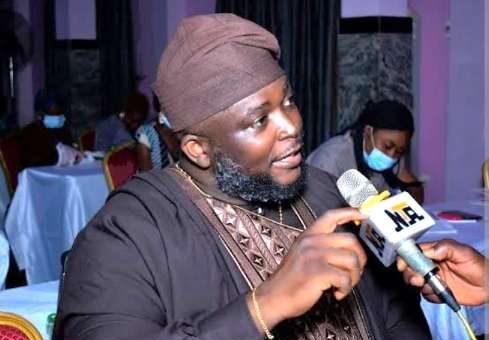


Engr. Victor Ojimadu, CG ( IRM ),
Since assuming office in January 2020, Governor Sen. Hope Uzodimma has anchored his administration on a three-pronged agenda: Reconstruction, Rehabilitation, and Recovery (the 3R Agenda). Having secured a second term, his tenure is now being assessed by the tangible impact of these policies on the lives of Imo residents, particularly across key areas like infrastructure, digital empowerment, and the ever-critical issue of security. While the administration has attracted recognition for its developmental projects and fiscal reforms, it continues to grapple with deep-seated security challenges that threaten to overshadow its developmental strides.
Infrastructure and Fiscal Modernization
A core component of the 3R agenda has been a massive focus on infrastructural renewal, earning Governor Uzodimma the unofficial title of “The Road Master” and recognition as an “Infrastructure Governor of the Year.”
Road Network Expansion: The administration has prioritized the reconstruction of major economic arteries, most notably the once-deplorable Owerri-Orlu and Owerri-Okigwe roads, alongside the construction and rehabilitation of numerous urban and rural routes totaling hundreds of kilometers. These projects are seen as vital for stimulating economic activity across the state.
Welfare and Fiscal Reform: Uzodimma took a bold step by repealing the controversial Governors and Speakers Pensions Law, a move widely praised as a commitment to fiscal prudence and public interest over elite welfare, which I don’t support but anyway in furtherance, his administration implemented a significant increase in the minimum wage for civil servants (from N76,000 to N104,000), placing Imo above the national minimum standard and boosting morale.
E-Governance and Accountability: The introduction of e-governance platforms, including an automated payroll system, has helped streamline revenue collection and effectively address the problem of “ghost workers” in the civil service, enhancing accountability and reducing leakages.
The Digital Economy and Youth Empowerment
Uzodimma has positioned the state to become a hub for technology and innovation, focusing heavily on human capital development to prepare the youth for the 21st-century economy.
The flagship of Skill-Up Imo Programme initiative is aimed at training hundreds of thousands of Imo youths in critical digital skills such as coding, data analytics, and cybersecurity. The program has been recognized nationally for its vision in shifting the youth focus from job-seeking to job-creation.
As announced the state government has secured partnerships with global tech giants and accelerators, including the U.S. Market Access Center (US-MAC), Microsoft, and Cisco, to facilitate startup incubation, attract venture capital, and build out fiber optic infrastructure across the 27 Local Government Areas.
Efforts are underway to deploy digital infrastructure and launch citizen-facing platforms like the “My Imo App” and the Automated Land Information System (ALIS) to improve efficiency and transparency in government services.
The Persistent Shadow of Insecurity
Despite the significant developmental strides, the most formidable and persistent challenge facing the Hope administration remains the high level of insecurity.
Imo State has witnessed a surge in violent activities, including clashes between security forces and non-state armed groups, targeted attacks on police stations, and kidnappings. The presence and activities of groups linked to the separatist Indigenous People of Biafra (IPOB), notably the Eastern Security Network (ESN), have exacerbated tensions, particularly in the Orlu and Okigwe zones, leading to economic disruption and displacement.
The administration’s response includes the launch of ‘Operation Search and Flush’ and the deployment of joint security task forces. While the government maintains that the situation is politically motivated and claims some success in restoring normalcy, opposition parties and human rights groups have repeatedly voiced concern over extrajudicial killings and the militarization of the state, suggesting that the security crisis has yet to be fully contained.
Governor Uzodimma’s administration has demonstrated a clear commitment to modernizing Imo State through heavy investment in infrastructure, strategic digital transformation, and crucial fiscal reforms. His legacy is likely to be defined by his success in these areas.
Among all Senator Uzodinma’s achievements what has flaged red is the area of security which is very crucial to economic development in the state. The Uzodimma administration’s security strategy has been primarily kinetic (military-focused), relying on a hard-line stance against criminal elements and non-state actors.
The key tactical response has been the launch of ‘Operation Search and Flush’ and the deployment of joint security task forces consisting of the military, police, and a state-backed vigilance group known as “Obiagwu”. The goal is to decisively combat crime and restore law and order through aggressive enforcement.
A broadcast made by the government in 2022 which maintains that the security crisis is primarily politically motivated, suggesting that disgruntled political rivals are responsible for sponsoring and perpetrating violence to destabilize the state. This framing justifies the deployment of strong force and often dismisses security-related criticisms as political machinations. The governor went further to state that he knew the actors involved but till we are yet to see their names published or mentioned.
Imo people have criticized the approach of military solution, highlighting a complex tension between security and human rights.
All parties and human rights watchdog organizations have repeatedly voiced concerns over the militarization of the state, alleging instances of extrajudicial killings and indiscriminate targeting of youths by security operatives. This suggests that the kinetic approach, while attempting to restore order, risks alienating the very populace it seeks to protect, thus hindering intelligence gathering and community trust.
This strategy places insufficient focus on addressing the socio-economic root causes of violence, such as high unemployment and poverty among the youths—factors which are known to fuel recruitment into non-state armed groups. While the Skill-Up Imo Programme aims to provide economic empowerment, its impact may be slower than the immediate need to curb violence.
The administration’s ability to maintain a strong security presence while simultaneously implementing community engagement and fostering trust is the defining challenge of this government. Only a strategy that balances decisive force with comprehensive socio-economic development can definitively stabilize the state.
And also, empowering every community to launch local vigilantes which I call ” Operation watch your community”. Only members of a community know those living in the community and in this wise a proper and better survellance, monitoring and security can be effective.
Governor Uzodimma’s administration has demonstrated a clear commitment to modernizing Imo State through heavy investment in infrastructure, strategic digital transformation, and crucial fiscal reforms. His legacy is likely to be defined by his success in these areas.
However, the administration’s overall success and ability to attract long-term investment hinge entirely on its capacity to definitively address and stabilize the security situation. As Uzodimma continues into his second term, the dual task of consolidating developmental gains while restoring peace and trust across the state will determine whether the “Hope” administration delivers lasting stability and progress.