
By Chidimma Okwara
The Delta State government has signed a Memorandum of Understanding (MoU) with the Rural Electrification Agency (REA) to implement renewable and off-grid energy solutions across the state. This partnership is aimed at tackling the significant power deficit in Delta, where more than 60% of communities are not connected to the national grid.
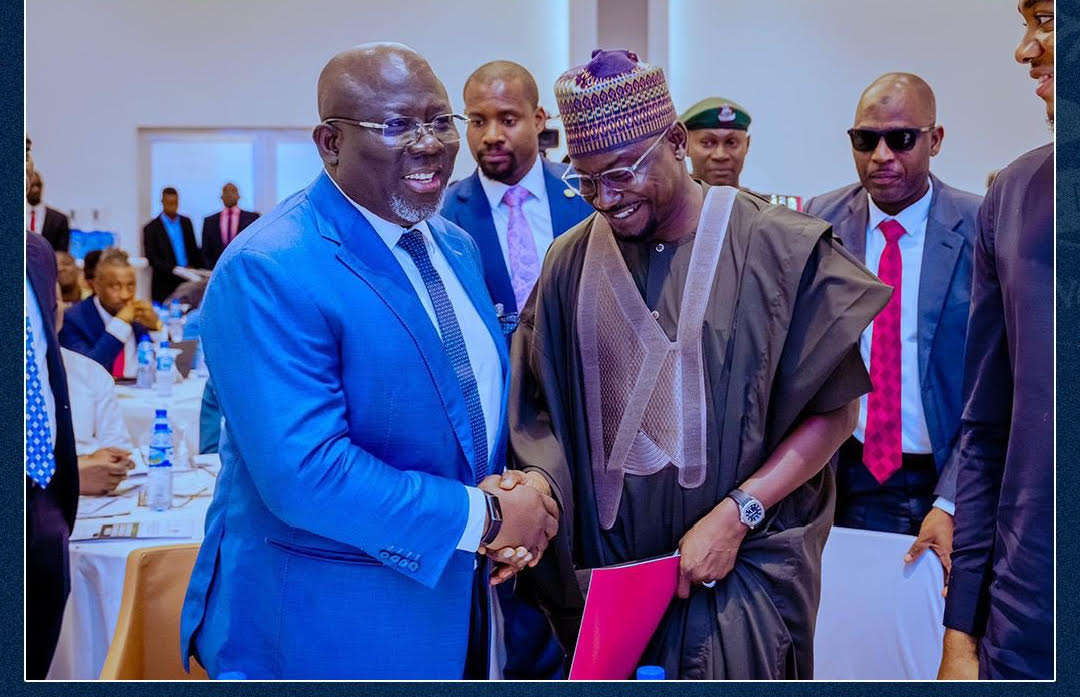
The agreement, signed at a roundtable in Abuja, is projected to achieve the following:
- Electrification for over 386,000 residents through 120,217 new connections.
- Attract $158 million in private sector investments.
- Contribute an estimated $2.9 billion to the state’s Gross Domestic Product (GDP).
- Create over 31,000 jobs in the renewable energy sector.
Gov. Sheriff Oborevwori, who signed on behalf of the state, reaffirmed Delta’s readiness to partner with the agency on impactful energy programmes.
He stated that the initiative is a key part of his administration’s “MORE Agenda” and medium-term development plan (2024-2027). He emphasized that access to reliable electricity is crucial for productivity, attracting investment, and improving livelihoods, especially in rural areas that have been long underserved.
- See Also 10 Rules for Raising Kids in a High-Tech World: How Parents Can Stop Smartphones, Social Media, and Gaming from Taking Over Their Children’s Lives
- Engineers trained on data protection, NSE
The REA, on its part, has identified 471 potential mini-grid sites across Delta State, with Ndokwa East Local Government Area alone accounting for over 83 locations. This high density of potential connections makes Delta an attractive hub for mini-grid investments.
This move aligns with the state’s recently enacted Delta State Energy Power Sector Law 2024 and its Renewable Energy Policy Roadmap (2023-2028), which are designed to guide the transition to clean energy and reduce greenhouse gas emissions.
The state is also working on an 8.5MW independent power plant in Asaba to supply electricity to key government institutions, with plans to replicate the model in other parts of the state.
The governor said the state would leverage the partnership to accelerate the delivery of energy solutions in line with its Medium-Term Development Plan (2024–2027) and MORE Agenda.
He noted that renewable energy had become a global driver of growth, citing the International Energy Agency’s 2024 report, which showed that renewables now account for 90 per cent of global power capacity.
“Delta has already enacted the State Energy Power Sector Law 2024 to address electricity challenges, improve access, boost investor confidence, and promote sustainable energy development,” he said.
Oborevwori added that the state had established an 8.5-megawatt independent power plant in Asaba to power government institutions, with plans to replicate the model in tertiary institutions.
He also disclosed that the government had invested heavily in rural electrification projects aimed at rehabilitating weak networks, extending coverage to unserved communities, and deploying solar mini-grids, solar farms, and hybrid systems in rural and coastal areas.
“The goal is to widen access to energy assets for both urban and rural communities through renewable solutions. Delta is irrevocably committed to expanding investments in the energy sector,” he assured.
The governor commended the World Bank, REA, renewable energy service providers, and investors for supporting the initiative, pledging the state’s readiness to collaborate on viable projects.
The Managing Director of REA, Mr Abba Aliyu, said off-grid electrification in Delta could attract 158 million dollars in investments, add 2.9 billion dollars annually to Nigeria’s GDP, and create over 31,000 jobs in the state.
Also at the meeting, Mr Frank Nwaebo, Director of Renewable Energy at the Delta Ministry of Energy, said the state had strong solar potential, with an annual average solar radiance of 4.53 kilowatts per hour, the highest in the South-South.