

By Chidimma Okwara,
The Nigerian Midstream and Downstream Petroleum Regulatory Authority (NMDPRA) has announced the suspension of the planned 15 percent ad-valorem import duty on Premium Motor Spirit (PMS) and Automotive Gas Oil (AGO), commonly known as petrol and diesel respectively.
The Federal Government of Nigeria has suspended the planned implementation of the 15% ad-valorem import duty on imported Premium Motor Spirit (PMS) and Automotive Gas Oil (AGO).
The announcement was made by the Nigerian Midstream and Downstream Petroleum Regulatory Authority (NMDPRA) on Thursday, November 13, 2025.
The NMDPRA, through its Director of Public Affairs, George Ene-Ita, stated that the implementation of the 15% ad-valorem import duty on imported PMS and Diesel is “no longer in view.”
READ ALSO
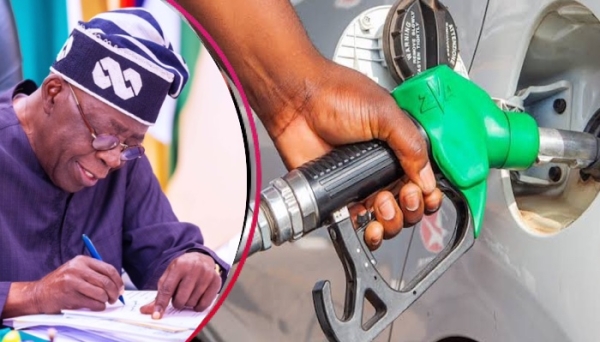
President Bola Tinubu had approved the tariff in October 2025.
By making imported fuel more expensive, the policy aimed to support the growth and profitability of domestic refineries (like the Dangote Refinery and modular plants).
In a statement signed by the Director, Public Affairs Department, George Ene-Ita, the Authority said the decision was aimed at stabilizing the domestic supply chain and preventing unnecessary price increases in the downstream petroleum sector.
To create a level playing field between imported and locally refined products.
The suspension follows widespread public and stakeholder concern that the policy would lead to experts warned the tariff could translate to significantly higher pump prices for consumers (with some estimating an increase of up to ₦150 per litre or more). Higher fuel prices would inevitably drive up transportation, food, and other costs across the economy.
Concern that restricting imports prematurely, before local refineries reach full capacity, could lead to scarcity and over-reliance on a single source. In announcing the suspension, the NMDPRA also took steps to calm the market.
The authority assured the public that there is a “robust domestic supply of petroleum products” sourced from both local refineries and imports, guaranteeing sufficiency during the current peak demand period.
The NMDPRA advised against any hoarding, panic buying, or non-market reflective escalation of prices, emphasizing that the market supply is stable.
This move essentially halts a policy that was poised to create a significant shockwave in the Nigerian downstream sector and directly impact the cost of living.
Would you like to see a summary of the arguments for and against the original 15% import duty?