
By Chidimma Okwara
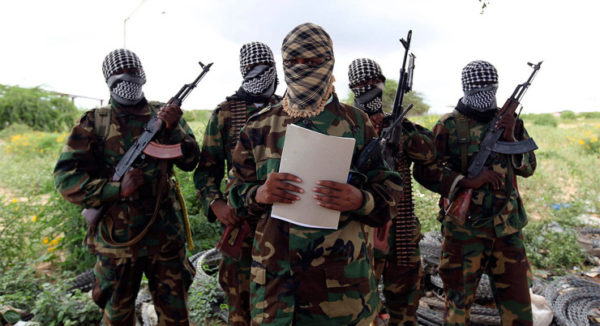
BORNO, NIGERIA- Reports of a mass abduction by the Islamic State West Africa Province (ISWAP) are often a point of concern in Borno State, the epicenter of the insurgency.
The incident of 13 female teenage farmers from Askira-Uba Local Government Area of Borno State that were abducted by members of the Islamic State West African Province (ISWAP) on Sunday has raised great concern.
The abduction was confirmed by Borno State House of Assembly, Abdullahi Askira, who disclosed that the girls were taken while on their fields in Mussa District.
READ ALSO
Abdullahi, who represents Askira-Uba constituency, revealed that the victims are between the ages of 15 and 20, adding that they went to their farms in Mussa farming area to harvest their crops when the assailants took them away.
“The victims are among those relocated to a relatively peaceful community of Mussa to earn a means of their livelihoods through joint community farming.
“One of the victims who managed to escape has been reunited with her family.
“But, the other 12 victims, mostly between the ages of 15 to 20 years, are still in the custody of the abductors whose whereabouts remain unknown,” he said.
Recent High-Profile Security Incidents
While recent reports have focused heavily on mass kidnappings by bandits in the Northwest and Central-North regions (like the incidents in Niger and Kebbi States), ISWAP has recently been tied to specific, high-level attacks in the North-East:
Only days ago, ISWAP claimed responsibility for the death of a Nigerian military General in North-Eastern Borno State. The group released footage and communication transcripts related to the ambush of the General’s convoy and a subsequent failed rescue attempt.
The security situation in Borno remains precarious, and any report of the abduction of teenage girls is consistent with the decade-long pattern of violence and exploitation by terrorist groups in the region.
The focus of the Nigerian military’s counter-insurgency operations in the North-East is the degradation of ISWAP and Boko Haram’s capability to launch such attacks.