By Chidimma Okwara,
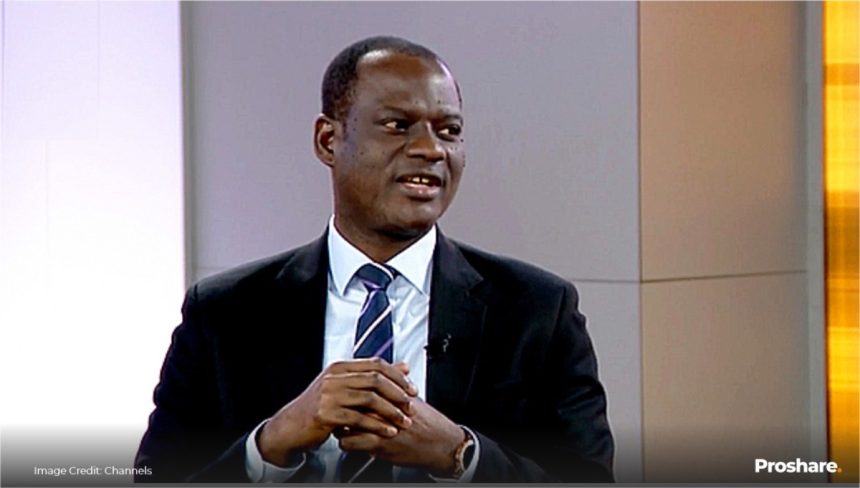
The statement, “More than 90% of informal workers too poor to pay taxes,” was made by Mr. Taiwo Oyedele, the Chairman of the Presidential Fiscal Policy and Tax Reforms Committee in Nigeria.
He said that more than 90 percent of Nigeria’s informal sector operators lack the financial capacity to pay taxes.
He dismissed the widespread belief that Nigeria’s revenue problem could be solved by targeting the informal sector.
“This is the reason why Nigeria has ended up introducing multiple taxes, because we are trying to chase people in the informal sector every now and then,” he explained.
READ ALSO
-
Akinlalu shooting: Gov Adeleke orders probe over killings of Residents by Amotekun
-
Tinubu’s daughter imposes non-indegenous Iyaloja title on Benin Market People
-
Customs and Manufacturers Reach Truce: Raw Materials Exempted from 4% FoB Levy in Economic Support Deal
“When in fact, more than 90 percent of operators in that sector are just there for survival. They are just trying to find how to put food on the table one day to another. They have no capacity to pay taxes.
Oyedele stated that more than 90% (or in other reports, as high as 97%) of operators in the informal sector are simply “there for survival,” trying to find a way to put food on the table. He stressed that
“If somebody is roasting corn by the roadside, if they have customers from when they resume in the morning till they close at night, they are still a poor person. If somebody is a vulcaniser, and they have customers all around for the day, they are still poor.
“If somebody is pushing wheelbarrows to carry goods for people, and they have customers all the time around the day, they are still poor. They have no capacity to pay taxes and should not be taxed.”
The “Taxing Poverty” Principle: The sentiment is rooted in President Bola Tinubu’s instruction that poverty and capital should not be taxed. Oyedele used the analogy: “We should not tax seeds but wait for the fruits.”
Based on this philosophy, the tax reforms are designed to legally exempt the majority of the informal sector from taxation. Reports indicate that only the top 3% of informal sector operators are considered to have the ability to pay taxes, and the reforms are targeting to exempt the remaining 97%.
Oyedele countered the widespread belief that Nigeria’s revenue problem could be solved by aggressively chasing the informal sector, arguing that the data does not support the idea that huge, untapped revenue lies there.
He made the comment to emphasize the rationale behind the government’s approach to tax reform, particularly concerning the vast informal sector.
As part of the reforms, Oyedele also highlighted that Nigerian households earning N250,000 or less per month are classified as poor and are therefore exempt from paying taxes.