
By Victor Ojimadu,
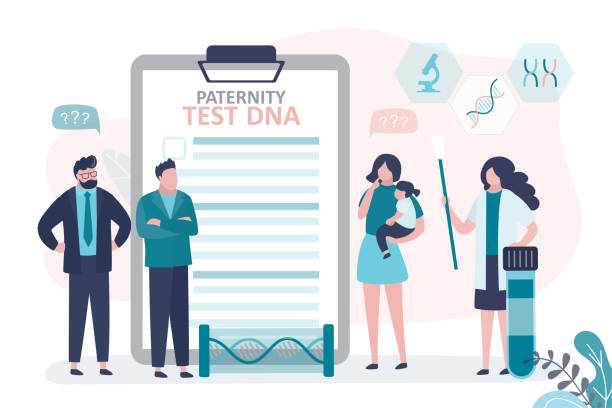
The viral report claiming that one in four Nigerian fathers are not the biological parents of their children has become a significant topic of “Talk” in Nigeria, sparking intense public debate, social media frenzy, and an increase in demand for DNA paternity tests. The report originated from DNA testing centers in Nigeria, specifically in Lagos and Abuja, which noted that their non-paternity rate (where the man is not the biological father) was high, often around 25% to 27% of the tests conducted.
1. Erosion of Trust in Marriages
The figure has fueled an atmosphere of distrust between spouses, especially men who feel their emotional and financial investments are at risk. The news has motivated many men to consider or pursue DNA testing “for peace of mind,” even if they trust their partners.
2. Focus on Firstborns
Some reports from the testing centers have indicated that firstborn children (especially sons) are disproportionately affected by the negative paternity results. This has generated discussions about cultural pressure on young couples to conceive quickly after marriage, sometimes leading to infidelity to “tie the man down” or satisfy in-laws.
3. Debate on Legislation
The issue has sparked calls for legal reforms, with many arguing for the criminalization of paternity fraud to provide legal redress for men who discover they have been deceived. Currently, Nigeria lacks specific laws to punish paternity fraud, unlike some other countries.
4. Cultural Clash on Fatherhood
The topic challenges the traditional Nigerian concept of fatherhood, where the man who raises and provides for a child is the recognized parent, encapsulated in the saying: “Onye wetara oku, ọ bụ nna” (He who brings the child’s naming fire is the father). DNA testing replaces this social/cultural definition with a strict biological one, leading to emotional trauma, family disintegration, and inheritance disputes.
However, the consensus among experts and fact-checkers is that the statistic is misleading when applied to the entire Nigerian population.I had to run a research on this subject matter and discovered that statistics however correct can be misinterpreted. Based on the percentage volume of paternity test done to the actual percentage volume of couples in a Nigeria, as follows are the basis of misinterpretation:Why the Statistic is Misinterpreted:Self-Selection Bias: The high percentage is due to the nature of the clientele. People who seek DNA paternity tests are typically men who already have a strong suspicion about their child’s paternity (due to marital issues, physical resemblance concerns, or rumors).
Testing Center Disclaimer: The testing centers themselves have issued disclaimers, clarifying that their client base is not representative of all Nigerian families and their negative results should not be extrapolated nationwide.
Consensus
While the 25% number is inaccurate for the general public, experts agree that the demand for paternity tests is rising and the non-paternity rate among those who seek testing is indeed high.In addressing this matter the emphasizes should be that the focus be on:
- Addressing the underlying social and marital issues that lead to the dispute.
- Creating legal frameworks to handle paternity fraud, custody, and inheritance in the wake of DNA revelations.
- Promoting accurate understanding of the statistics to avoid widespread panic and unfair generalization across all families.