

By Alberto Nardelli, Bloomberg
Documents seen by Bloomberg show that tactics include recruitment of Moldovan voters abroad, organizing protests and a disinformation campaign.
Russia has devised a plan to intervene in elections in Moldova and disrupt the government’s efforts to keep the country on the path toward European Union membership, according to documents reviewed by Bloomberg.
The multi-pronged strategy was finalized in spring and coordinated directly by the Kremlin. The goal is to undermine the chances of President Maia Sandu’s Party of Action and Solidarity in the Sept. 28 vote and ultimately see her removed from power, the documents citing the internal Russian plans suggest.
SEE ALSO Trump Will Charge $100,000 Fee For H-1B Visas, Report Says
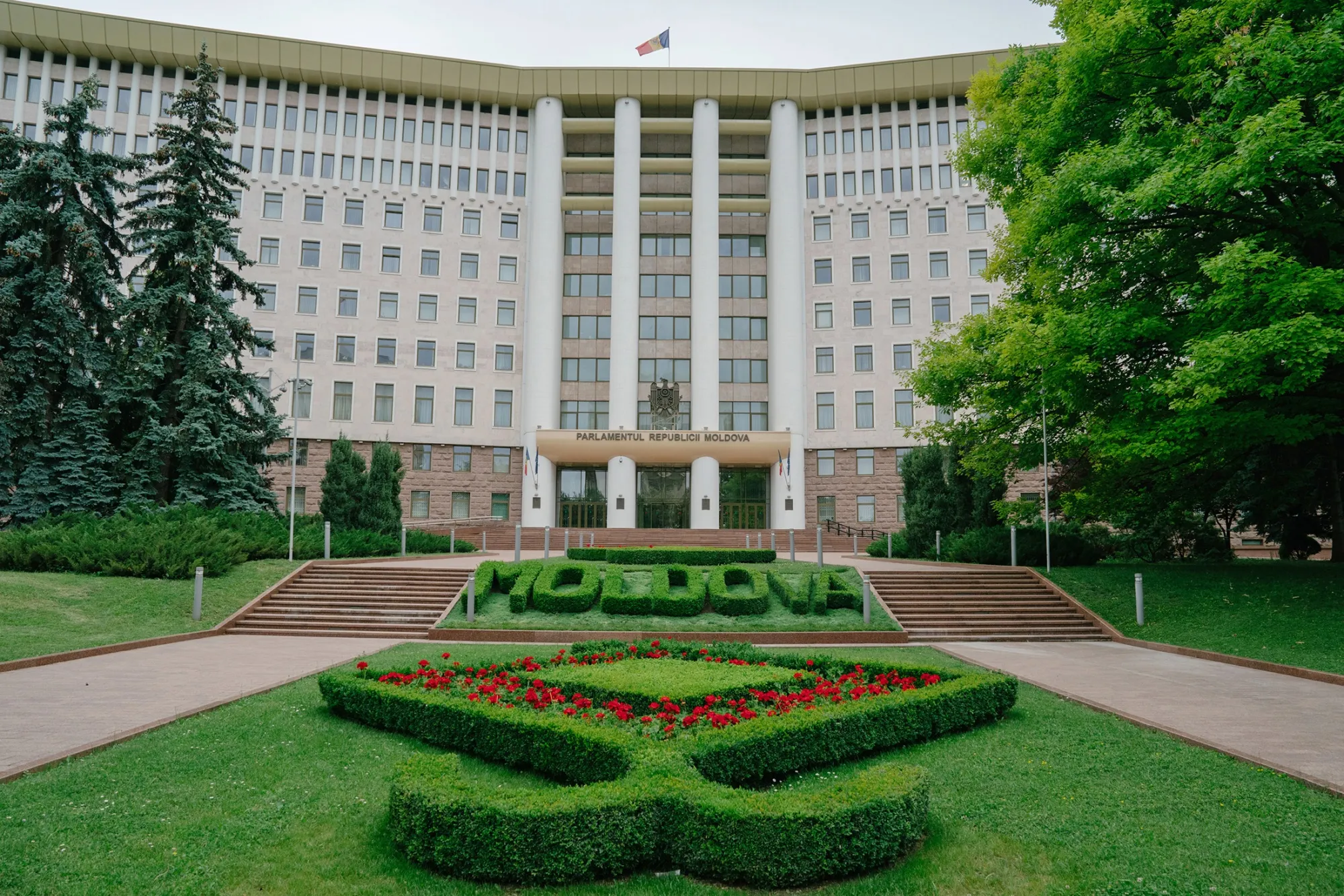
Sandwiched between war-torn Ukraine and EU and NATO frontier state Romania, the tiny country is a key battleground between pro-European and pro-Russian political forces. Sunday’s election comes less than a year after a referendum on whether Moldova should pursue EU membership passed by a wafer-thin margin amid claims by the government of Kremlin interference.
Tactics include recruitment of Moldovans abroad, including in Russia, to vote at polling stations in the EU and elsewhere, deploying others to stage disruptive protests and a widespread disinformation campaign on social media, the documents show. Another core area of the plans by President Vladimir Putin’s executive office involves the use of compromising material to pressure public officials to disrupt the electoral process.
Bloomberg was unable to confirm whether Russia was implementing the plans as the election campaign in Moldova culminates this week. Two European government officials familiar with the matter, though, said it was “almost certain” that it intended to follow through with most of them.
Moldovan police, meanwhile, have been cracking down on disinformation campaigns and attempts to buy votes. Last month, the authorities officially asked to block 443 TikTok channels.
The Kremlin didn’t reply to a request for comment. Russia has repeatedly said it doesn’t interfere in foreign elections. During last year’s EU referendum and presidential vote, a Foreign Ministry spokeswoman dismissed the claims as “Russophobia,” which she called “an essential component of the European Moldova project.”
SEE ALSO Youths protests Over Ban of Social Media with at least 19 killed in Nepal, Setting parliament building ablaze
At stake now is whether Moldova continues on the road to European integration after enshrining the goal of membership in its constitution or shifts towards Moscow just as Putin has shown no sign of wanting to end his war against neighboring Ukraine.
A former Soviet state, Moldova has a significant Russophone minority among its 2.4 million population. The breakaway state of Transnistria is under Russian occupation, according to the Council of Europe, while the leader of the region of Gagauzia was convicted by a Moldovan court of illegally funneling Russian money to a political party.
“The Kremlin’s goal is clear: to capture Moldova through the ballot box, to use us against Ukraine and to turn us into a launchpad for hybrid attacks on the European Union,” Sandu told EU lawmakers in Strasbourg on Sept. 9. “That is why this election is very important. By defending it, we protect not only Moldova, but also regional security and stability.”
Moldova Sits in a Geopolitically Important Location
The country is in talks to join the EU, but lots of challenges remain
The EU has thrown its weight behind Moldova’s membership bid and French President Emmanuel Macron, German Chancellor Friedrich Merz and Polish Prime Minister Donald Tusk visited the capital, Chisinau, in late August.
Sandu’s party, known as PAS, is promising to kick off the EU accession process and win access to much-needed funds after Moldova began entry talks last year. But the latest polls suggest PAS may lose its parliamentary majority, raising the prospect of an uneasy coalition.
PAS faces stiff opposition from several groups. They include the nominally pro-EU Alternative bloc and a pro-Russian one led by former President Igor Dodon, who a separate set of documents seen by Bloomberg suggests asked security services to track political opponents when he was in office. Dodon said in an email to Bloomberg that he always acted legally and in the interests of Moldova.
In a separate “open letter” to Bloomberg on his social media accounts, Dodon alleged the Moldovan authorities were illegally pressuring opposition parties. “The ruling regime in Moldova is actively using administrative resources not only to pursue its political goals but also to intimidate its main competitors,” Dodon wrote.
He also said “certain Western powers” were interfering in the election campaign by sending high-ranking officials to the country to support PAS and threatening to cut off assistance to Moldova if the party loses.
Russia has dedicated significant resources to influencing elections in the region, according to the European government officials. In Georgia, a vote last year saw accusations of widespread interference and paved the way to ongoing protests.
Then came the presidential election in Romania, where judges ordered a rerun following allegations of Russian meddling that had propelled a fringe far-right candidate to a first-round victory.
A months-long investigation found that Russia had been targeting Romania as part of a hybrid campaign stretching back to 2022, according to the country’s chief prosecutor, Alex Florenta. Four companies with ties to Russia orchestrated fake social media accounts and AI bots that reached at least 1.3 million citizens, he said on Sept. 16.
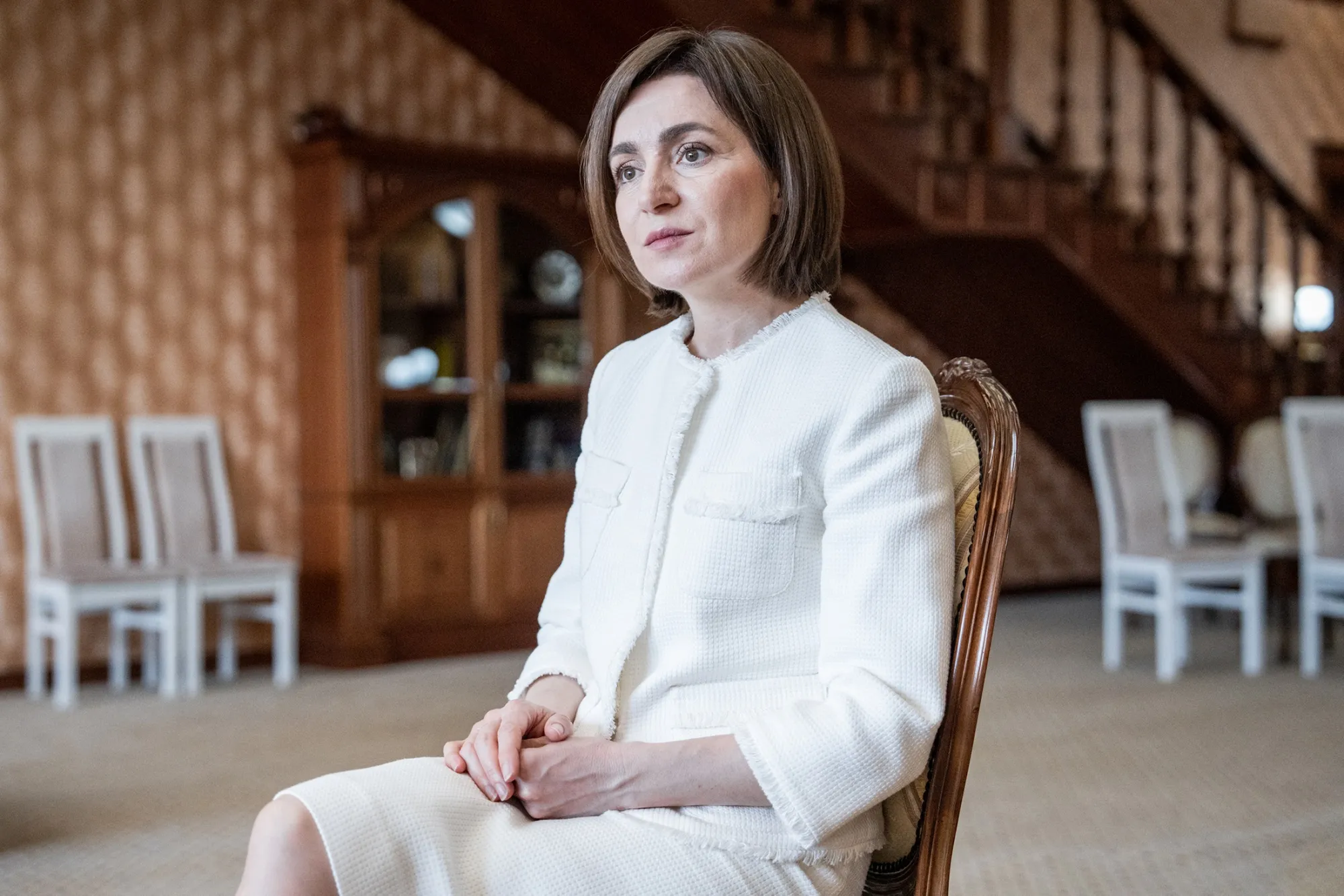
In Moldova, Sandu told European lawmakers this month that she estimated Russia had spent the equivalent of 1% of her country’s GDP, or roughly €150 million ($178 million), to influence the referendum on EU membership and her re-election as president.
The European government officials familiar with Russia’s plans said it was very likely that the Kremlin had allocated similar amounts for this month’s election. They spoke to Bloomberg on condition of anonymity to discuss confidential assessments.
One of the main aspects of the Kremlin’s blueprint is to engineer the perception of a competitive contest but that in reality is designed to dilute Sandu’s support, one of the documents seen by Bloomberg says.
The votes of Moldovans residing abroad were crucial in the 2024 votes. As part of its plans for these elections, one of the documents showed Russia intended to recruit members of the Moldovan diaspora and pay for them to travel and vote.
The plans also included a disinformation campaign on Telegram, TikTok and Facebook, as well as via more traditional channels and call centers. Messaging in Romanian, Moldova’s official language, and Russian accuses Sandu of being a foreign puppet who is pushing the country into misery and war.
Moldova’s police have sought to stop fake news spreading on social media and said groups were also illegally bringing in money to buy votes and for political parties to undermine the outcome of the election. Officers seized 5 million Moldovan lei ($302,000) on Sept. 16 alone during raids to take down an alleged money-laundering operation, police said in a statement.
Russia plans to recruit young men from sports clubs and criminal networks to stage violent provocations during the vote and protests after it, the documents show. That would include demonstrations calling for Sandu to resign if her party loses the election or to paint the result as tainted if it wins.
The focus is also firmly on what happens after the election. The type of support Moldova’s opposition parties receive from Moscow varies, and ranges from advice to funding, according to the European government officials. Should they win the election, the relationship between them would likely be tense, the officials said, given a history of mutual suspicion and competition to be in Russia’s favor.
Indeed, the culture of mistrust runs deep. Dodon, who was defeated by Sandu in the 2020 presidential election, tracked opponents from across the political spectrum, according to documents seen by Bloomberg.
They detailed hundreds of text messages between Dodon and a senior Moldovan intelligence officer in October 2019 to May 2021. The people included not only adversaries such as Sandu, but also other pro-Russian politicians and businessmen.
Dodon’s requests or the varied information he received included confidential information on travel details, meetings and events some of the individuals were participating in. Among these were details from flight manifests, border crossing information, reports of events and visual evidence of meetings. The exchanges indicate the services were also keeping an eye on some foreign embassies.
“As to the regards of my cooperation with state institutions, it has always been in the public interest, not for political or personal reasons,” Dodon said in his emailed response to questions. “As the head of state, I acted solely within the bounds of the law and in the national interest.”
The messages also suggest that Dodon was particularly sensitive to requests from Moscow. In February 2020, he asked for information about an individual that Moldova’s “eastern partners” were insisting be on the country’s security council.
Two months later, during a dispute over the breakaway Transnistria region’s ability to move grain, Dodon asked the intelligence officer for updates. He was “being written to by Russians,” he said.
In his open letter to Bloomberg, Dodon referred to “unfounded and false allegations regarding my activities.”
— With assistance from Irina Vilcu