

By Chidimma Okwara,
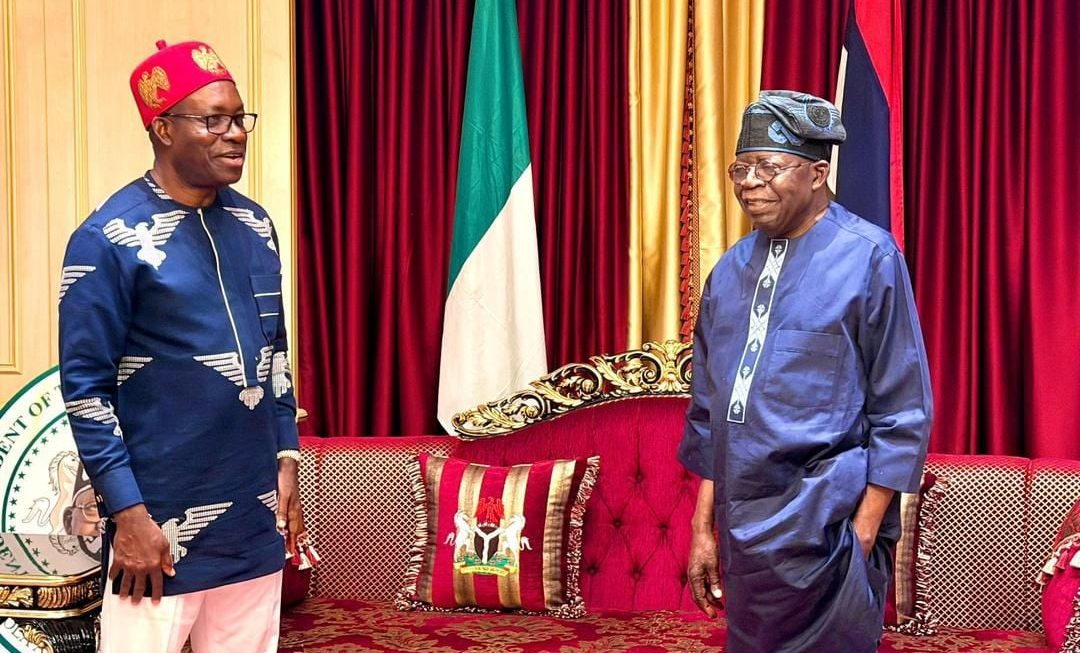
Governor Charles Chukwuma Soludo has consistently offered a strong endorsement of the bold economic structural reforms initiated by President Bola Tinubu, describing them as “necessary medicine for an economy long distorted and pampered over.”
- Soludo asserted that when the Tinubu administration assumed office in May 2023, the Nigerian economy, which he likened to a “standing dead horse,” was dangerously close to a “tipping point.” He argued that the public finances were on the verge of insolvency, which could have led to catastrophic consequences like mass worker retrenchment or the accumulation of salary and pension arrears. He credits Tinubu’s “audacious structural reforms” with having rescued the economy from this imminent collapse and returned public finance to a solvency path.
- Soludo made the assertion during his March Past remarks to mark Nigeria’s 65th Independence Day anniversary as a sovereign state on Wednesday in Awka.
-
SEE ALSO
-
Kwankwaso: We’ll welcome them to APC as madmen returning to vomit – Ganduje
-
Natasha Akpoti-Uduaghan enters NASS complex, rules out apology to Senate
-
Widows receive Houses from Ebonyi Gov’t.
-
- The core reforms Soludo specifically commended are:
Removal of the Petrol Subsidy: He described this controversial move as a necessary step to stop the bleeding of public funds and allow the economy to “breathe again.”
Harmonization/Unification of Exchange Rates: The move to merge the multiple foreign exchange windows was cited as a critical measure to remove distortions in the FX market.
Redesign of Fiscal and Tax Policies: Soludo praised the broader efforts to restructure the nation’s fiscal and tax architecture.
- While acknowledging that these reforms—particularly the subsidy removal and currency floatation—have led to “unanticipated pains and hardships” for citizens, he insists that they are essential for Nigeria’s long-term prosperity. He characterizes the current tough times as the painful but unavoidable treatment required to cure a severely ailing economy. Soludo believes that staying the course will eventually lead to a stronger currency, a more productive economy, and resources that serve the many rather than just the privileged few.
The former CBN Governor highlighted the global recognition these policies have received, pointing to positive endorsements from the World Bank, the International Monetary Fund (IMF), and major international credit rating agencies (Fitch, Moody’s) as validation of the administration’s reform trajectory. He argued that critics cannot selectively rely on these institutions when they issue negative reports but deride them when they give positive assessments.
Beyond economics, Soludo called for a national ethical rebirth focused on values like integrity, hard work, and patriotism. He urged public commentators to move beyond mere opinions and engage in “rigorous counterfactual analysis” to provide credible alternatives to the government’s current economic direction.