

By Nancy Okojie,
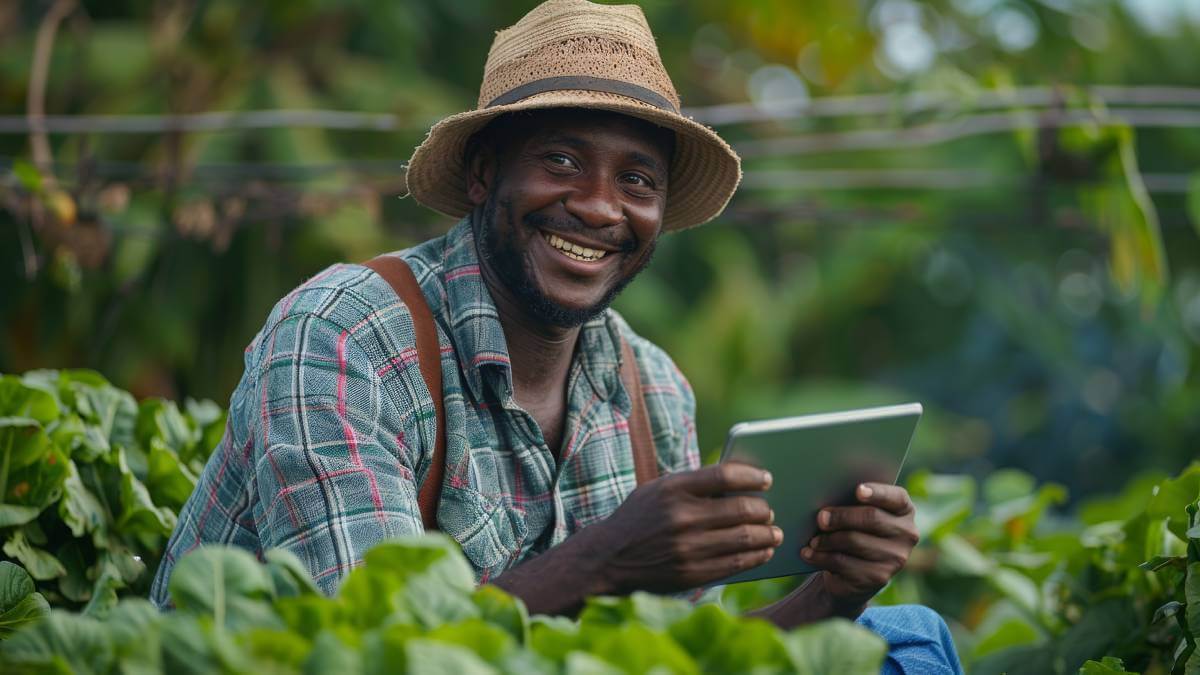
Across Africa, a quiet revolution is taking place. Experts and policymakers are increasingly advocating for the strategic deployment of artificial intelligence (AI) to address two of the continent’s most pressing challenges: food security and energy access. By leveraging AI, African nations can build more resilient, efficient, and sustainable systems in agriculture and energy, paving the way for a more prosperous future.
Experts at the second Africa Climate Summit have stressed the need to harness artificial intelligence (AI) to bolster the resilience of Africa’s agriculture and energy sectors.
SEE ALSO Governor Zulum approves stipends, free meals for Borno students
Across Africa, a quiet revolution is taking place. Experts and policymakers are increasingly advocating for the strategic deployment of artificial intelligence (AI) to address two of the continent’s most pressing challenges: food security and energy access. By leveraging AI, African nations can build more resilient, efficient, and sustainable systems in agriculture and energy, paving the way for a more prosperous future.
The agricultural sector is the backbone of many African economies, but it’s highly vulnerable to climate change, pests, and resource scarcity. AI offers a suite of tools to combat these issues and modernize farming practices.
According to a report by ENA, a partner of TV BRICS, panellists at the summit underscored AI’s potential to improve climate forecasting, enhance resource management, and accelerate the shift towards renewable energy.
Experts at the second Africa Climate Summit, held in Addis Ababa, highlighted opportunities and challenges in data, funding, and governance.
SEE ALSO No plan to create special visas for skilled Nigerians — Japan
Ousmane Ndiaye, Director General of the African Centre of Meteorological Application for Development (ACMAD), said AI could transform climate prediction.
Emmanuel Manasseh, Africa Regional Director of the International Telecommunication Union (ITU), highlighted AI’s role in optimising energy use and developing “smart cities” amid rapid urbanisation.
Participants urged policymakers to prioritise investment in AI-driven agricultural projects, including virtual advisory platforms for farmers.
The experts also called for closer cooperation among African nations to share data and best practice, learning from successful models in other countries, to fully realise AI’s potential in addressing climate challenges.